

How Arizona Plans for Water in a Desert Climate
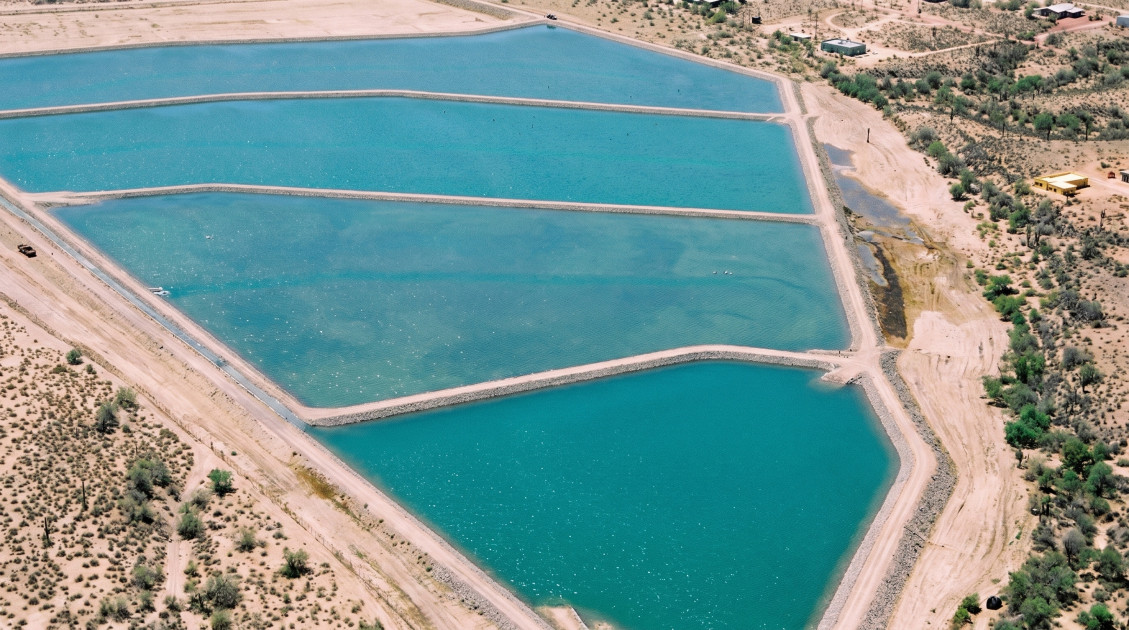
Arizona is a desert state, and living with limited rainfall has shaped how we collect, store and manage water for generations. Our dry climate has long made water planning a priority, leading to major investments in reservoirs, the Central Arizona Project, underground recharge and conservation.
Arizona strengthened that commitment with the Groundwater Management Act of 1980, establishing a framework for managing groundwater and planning for future demand in its most populated areas. Today’s drought challenges require continued attention, but Arizona brings decades of planning, infrastructure and experience to the task.
How CAP brings water across the desert
The Central Arizona Project, commonly called CAP, carries Colorado River water through a system spanning 336 miles and serving Maricopa, Pinal and Pima counties.
At Lake Havasu, the Pumping Plant lifts water more than 800 feet into the Buckskin Mountain Tunnel. From there, canals, pumping plants and other infrastructure move it across Arizona toward Phoenix and Tucson. Over the entire system, water is lifted approximately 3,000 feet.
Lake Pleasant also serves as a CAP storage reservoir, helping balance river diversions with customer deliveries. Local utilities then manage treatment and distribution to the homes and businesses they serve.
Arizona’s water comes from several sources
Colorado River water is only one part of the picture. Arizona also uses groundwater, water from rivers within the state, and reclaimed water.
Rainfall and snowmelt within Arizona feed rivers such as the Salt and Verde, where reservoirs capture water for later use. Groundwater is pumped from aquifers beneath the surface. Reclaimed water, which is treated wastewater, can be used for purposes such as landscape irrigation, agriculture and industrial cooling.
The mix varies by community and water provider. That means a change in one source can affect different parts of Arizona differently.

Source: cap-az.com
How the CAP recharge program works
One of Arizona’s important water management tools is underground recharge. At recharge facilities, water is delivered to shallow basins where it soaks into the ground and replenishes an aquifer. Eligible stored water can generate storage credits that allow authorized recovery later through wells.
Think of it as making a water deposit for future use. Underground storage reduces exposure to evaporation compared with surface reservoirs and provides a reserve during reduced supplies or delivery interruptions.
CAP’s recharge facilities support this process, while organizations such as the Arizona Water Banking Authority help arrange storage for future needs. CAP and the Water Bank have worked together to store more than four million acre feet of CAP water in central and southern Arizona’s aquifers since 1996.
Water stored for the future
Arizona’s underground water storage reflects decades of preparation. Arizona Water Facts has reported nearly three trillion gallons stored for future use, an amount equivalent to approximately 30 years of the City of Phoenix’s water use.
That comparison helps illustrate the scale of Arizona’s reserves. These water deposits provide a valuable buffer during shortages, with access depending on storage rights, location and recovery infrastructure. Continued recharge and conservation help strengthen that protection for the future.
What this means for homeowners and buyers
Arizona’s water planning extends beyond reservoirs and recharge. Within Active Management Areas, new subdivisions generally must demonstrate an assured water supply for 100 years, either through their own approval or service from a designated provider. That evaluation considers water availability and the infrastructure needed to deliver it.
For buyers, the useful questions are specific: Who supplies the property’s water? What sources does that provider use? Is the home served by a utility or a private well?
Arizona has built substantial infrastructure to manage water in a desert climate. Continued conservation, responsible groundwater management and investment remain essential as supplies and demand change. Understanding the system helps us make better decisions about where and how we grow.
For more information on CAP, here is a link to the interactive CAP System Map. (Source: cap-az.com). Additionally, Arizona Water Facts is a great resource. (Source: arizonawaterfacts.com).